
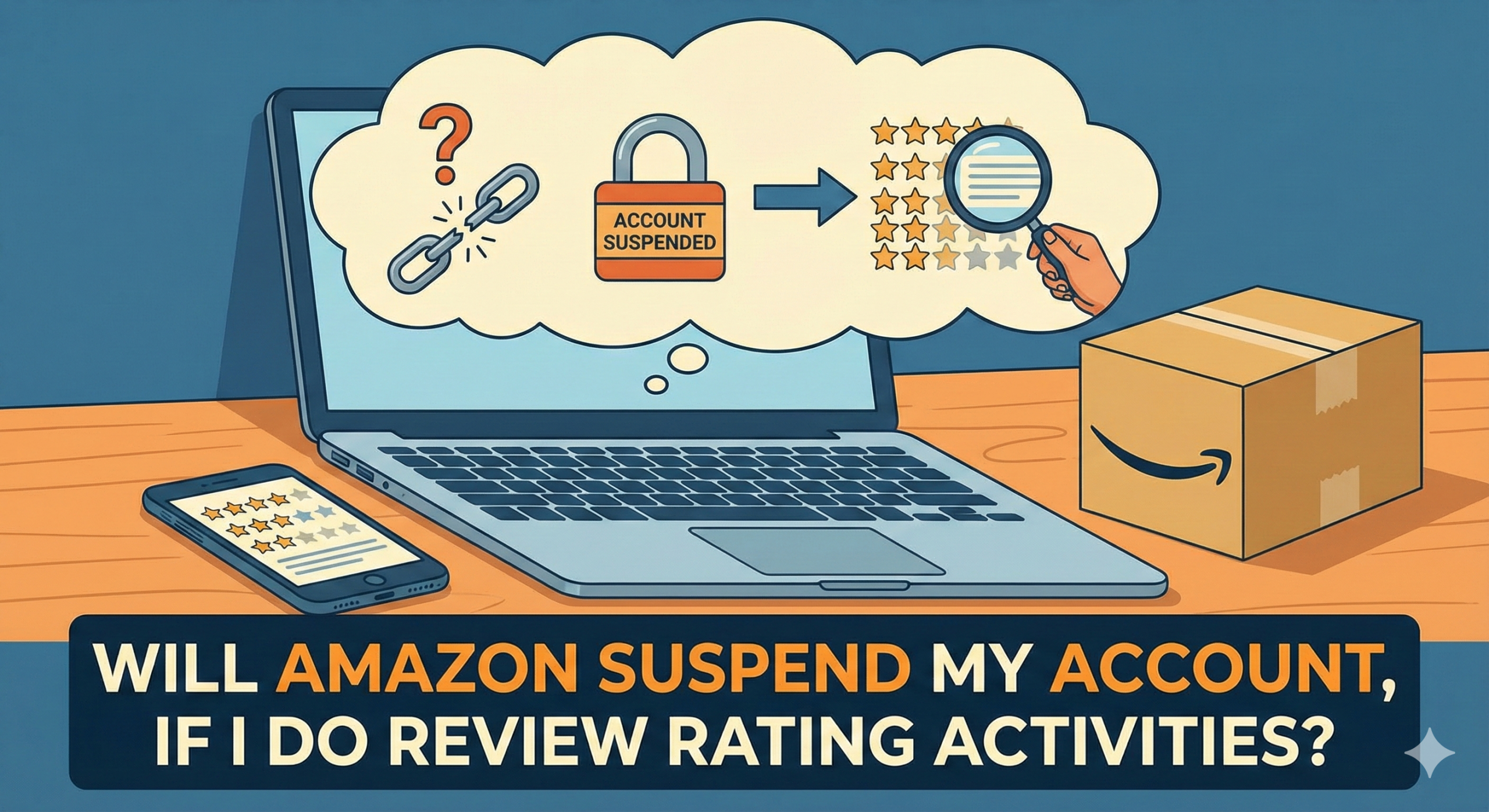
There’s a lot of potential when you start selling on Amazon but they do have their own set of rules you will have to comply with. One of the most powerful influencer of buyer’s decision, search rankings and long term brand trust is the review and ratings system. Seeing how important positive feedback is, it’s only natural to want to speed up the process of acquiring it. However, Amazon review rating activities can be a double-edged sword. This is why it’s important to understand the policies surrounding this and make sure you are not breaking any of them.
Why Amazon Takes Reviews So Seriously
Those who use Amazon know that customer trust is what keeps Amazon running. Customer reviews can highly influence the success of a product. If a product has bad reviews, or if the reviews seem fake, trust is lost, and the product can’t be bought. Amazon has to keep trust to make money, and has developed complex technologies and employed staff to look at customer behaviors in order to maintain customer trust. These systems and people monitor the activity of reviews.
Because of this, Amazon is very strict about law breaching reviews. If reviews seem to be biased in any way, or if the reviews show that there is not a genuine product to be reviewed, restrictions may be put in place. These restrictions may even be very difficult to overturn. Amazon is these things in order to keep its customer trust intact.
What Are Review Rating Activities?
Review rating activities mean trying to get customers to rate/review a product a certain way. This can mean things as \”follow up message\” to as crazy as paying customers to get favorable ratings.
Amazon lets their sellers ask buyers to give an honest review, but sellers cannot ask customers to review positively or ask customers not to review negatively. Sellers risk being suspended because what can be considered a review rating activity can be very different from seller to seller.
The Risk of Using an Amazon Review Agency
It’s pretty common for sellers to work with an amazon review agency in hopes of speeding up their business growth. These agencies tend to focus on getting reviews, boosting rankings, or adding credibility to accounts that are freshly created. While some of these agencies are on the right side of the law with things like optimizing communication with customers, a lot of them are bending the rules.
Amazon can track inappropriate actions like using fake accounts, paying for reviews, or posting coordinated reviews, and sellers are usually the ones to take the hit. Because of that, Amazon won’t punish the agency, but the seller instead. This could lead to the loss of reviews, suppression of listings, or an account being suspended completely.
How Amazon Detects Review Manipulation
Amazon tracks users to detect suspicious behavior. They look at review account history, IP addresses, purchases, review dates, and what the reviewer says. Even if the reviewer looks normal, there might be abnormal behavior. If there is an abnormal activity there could be a sudden spike in reviews, the reviews could all have the same phrase, or the reviewer could not have an account. When an account raises red flags they could be investigated at any time.
Are Amazon Review Services Safe?
Some sellers try outAmazon review services that say they play by the rules. These services might work with automation after purchase, monitoring feedback, and improving customer experiences. If done right, these can be safe. The trouble starts when services promise reviews or ratings. Amazon never promises reviews, and any service that does should be kept at arm’s length. The final say in these situations is the seller, and they need to make sure any third-party service they use, is on the straight and narrow with Amazon TOS.
Can Buying Reviews Get Your Account Suspended?
The answer would be a definite yes. If a seller decides to purchase reviews, they are breaching Amazon’s TOS. Reviews are supposed to be an honest reflection of the consumer’s experience. Regardless of wether they are a seller’s competitor or just an angry customer, buying reviews will hurt the marketplace’s authenticity. Amazon’s response to such activities can include deletions of reviews, freezing ASINs, shutting down accounts, and in worse case scenario, keeping the sellers money. Often, sellers have to provide a Plan of Action, and there’s no promise that they will get reinstated.
Short-Term Gains vs Long-Term Damage
Some sellers think that fake reviews help them live in the competitive jungle. That’s true for some temporary visibility and sales to asphyxiate yourself in the long term. Once an account is created and eventually suspended, trust is rebuilt nearly impossible. Reinstatements get heavily monitored and trust is lost, ultimately negating the captivation. Real sales success on Amazon is from real customer happiness, not from fake reviews.
Understanding Amazon’s Review Policy
Amazon is really strict about how reviews are written. Reviews have to describe true customer experiences. They cannot be bought, and they can’t be influenced by relationships or sponsorships. This goes for sellers, brands, and any partners involved.
Even if sellers break this rule and say they didn’t know, it’s still a big deal. Amazon wants sellers to know and to follow their laws and guidelines. They can’t just push the blame to another entity.
The Truth About Amazon Product Review Services
An amazon product review service keeps the compliance of amazon’s safety, but needs to improve customer communication, feedback on product quality, and review request timing. These services don’t generate reviews, but do increase the chance of receiving genuine reviews.
Sellers must, at the very, least, request a service provider detailed questions describing how they operate. These reviews must be open, policy-centered, and constrained to the realism of expectations.
Safe and Compliant Ways to Get Reviews
The best way to get reviews is to provide good products and positive customer experience. Quality packaging, accurate product listings, quick shipping, and helpful support will drive customers to leave reviews.
With Amazon approved tools like the review request button and compliant follow up messages, you can get reviews with the built to last, trust earning way. They might take longer, but it is better in the long run.
Final Verdict: Is It Worth the Risk?
Doing things like suspicious review rating activities can put your account at risk of being banned. Competing in this field is hard, but taking the wrong shortcuts can lead to getting your account banned.
Amazon not only protects, but also rewards sellers who focus on providing the customers with value. Instead of putting your account at risk, Amazon sellers should focus on growing their account in a compliant, ethical, and trust building way. This is the best long term strategy.